



Beth Metson from Hedgelife joins us with a guest blog following a recent farm walk in Norfolk.
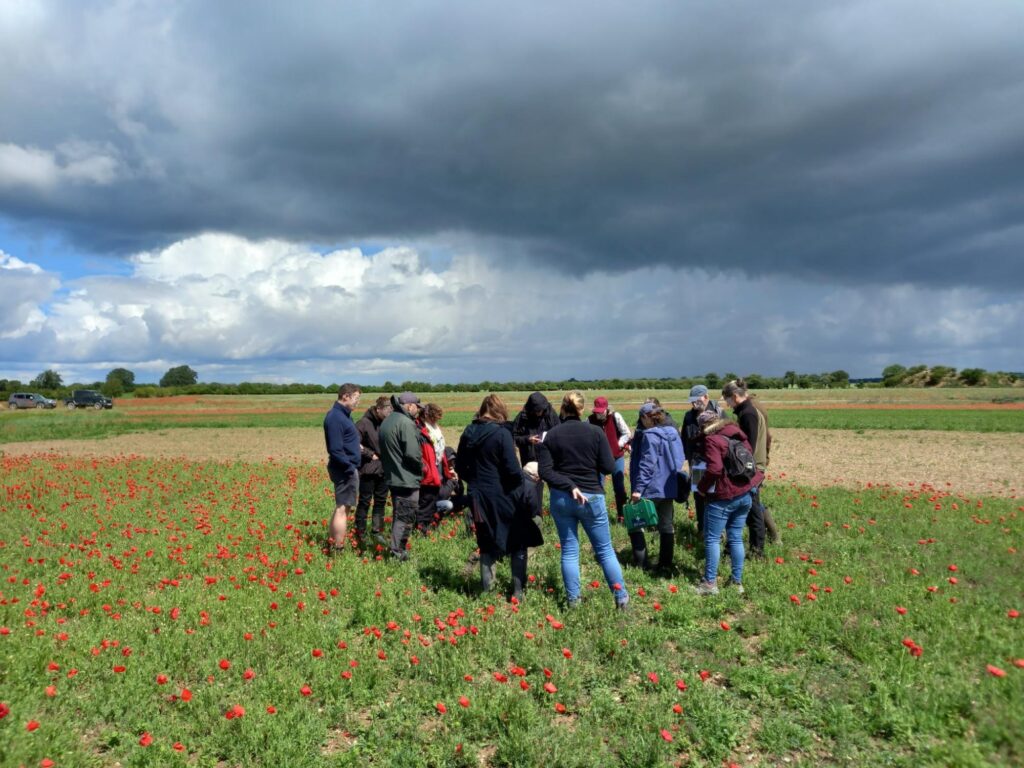
We gathered at Field Farm, Hockwold, this week for a practical workshop exploring how cultivated margins can support farmland wildlife while fitting alongside productive farming.
Hosted by Patricia Atkin and Steven Harrison as part of the Operation Turtle Dove programme, the event provided an opportunity to hear directly from those who have spent years developing and managing cultivated margins on their farms.
RSPB advisers Eliza Leat, Louisa Claxton and Mark Nowers led discussions throughout the morning, combining technical knowledge with practical experience. Topics included selecting suitable locations for margins, managing invasive and injurious weeds, and maintaining habitats over the longer term.
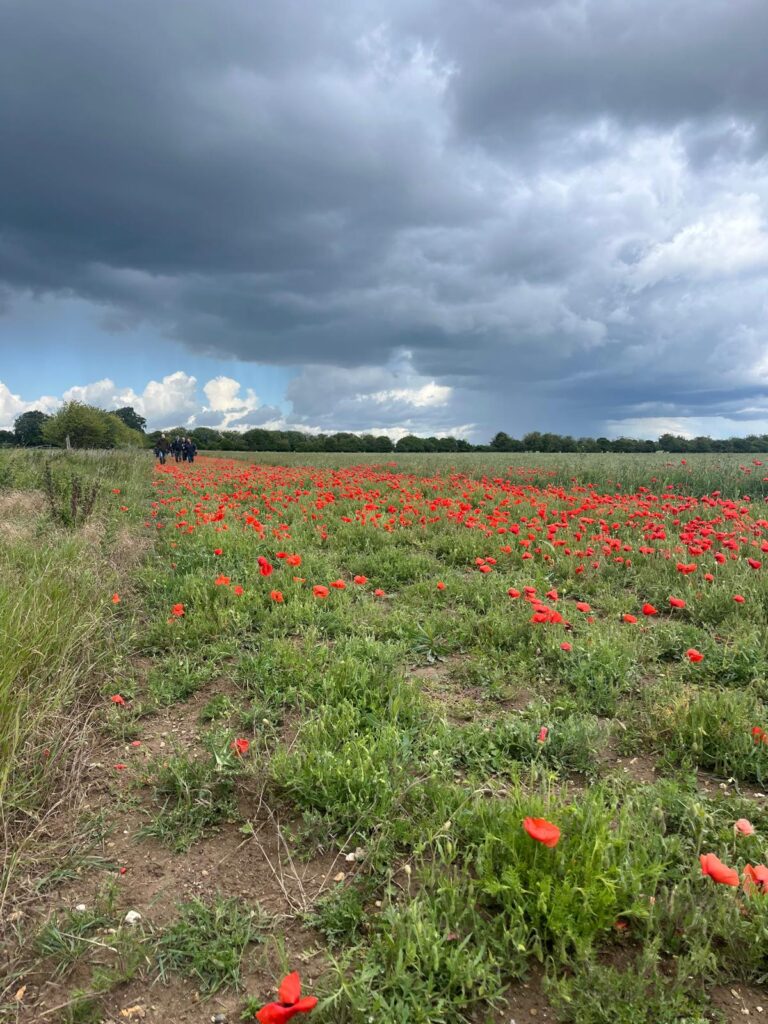
During the farm walk, Steven shared his experiences of establishing cultivated margins, speaking openly about what has worked well and the lessons learned along the way. A key message from the day was the value of learning from others who have already been through the process. By sharing practical experience and management techniques, farmers can avoid common pitfalls, establish margins more effectively, and gain confidence that results will come, reducing the temptation to give up too early.
Discussions also highlighted the importance of adapting management approaches to local conditions. Farming on the light, free-draining soils of the Brecks presents different opportunities and challenges compared with heavier soil types, and speakers emphasised the need to tailor management to individual farms rather than adopting a one-size-fits-all approach.
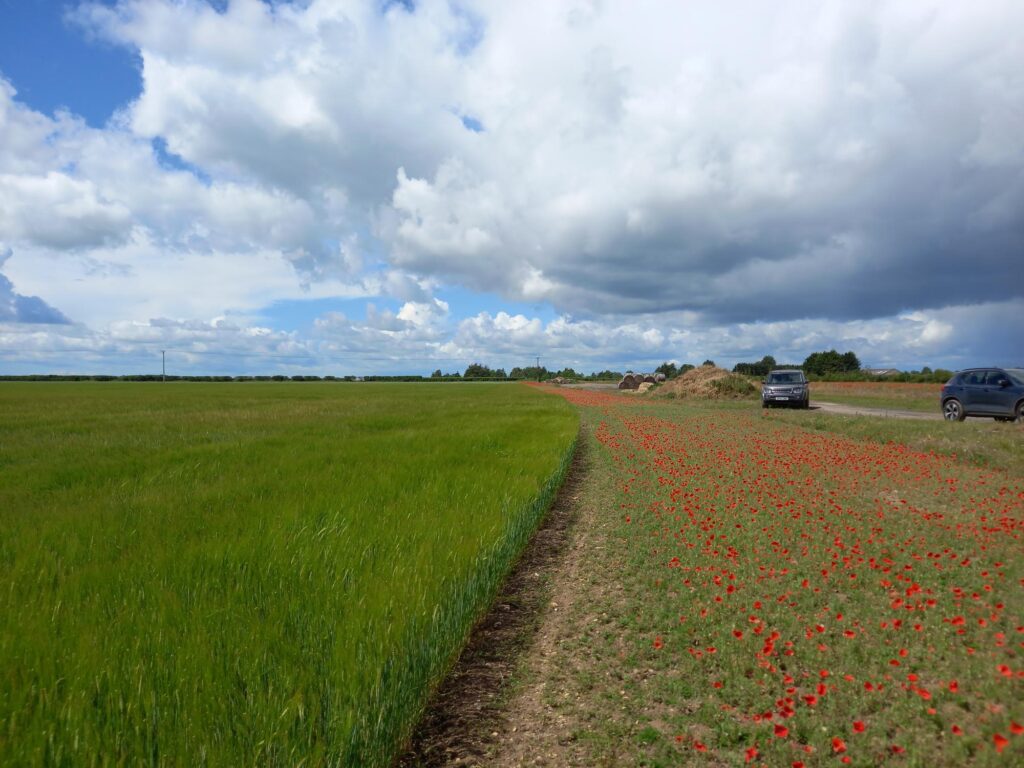
A particular highlight was hearing from farmer and botanist John Secker. Drawing on his extensive knowledge of arable plants, he guided us through the margins, where management had encouraged a diverse mix of species to emerge naturally from the seedbank. He explained how different plants contribute to the wider farm environment, with particular attention paid to the feeding habits and preferences of Turtle Doves.
Fittingly, many attendees were fortunate enough to spot a Turtle Dove during the visit, providing a timely reminder of why this work matters.
The day concluded just ahead of a heavy rain shower, bringing the morning to a close. It was a valuable opportunity to bring farmers, advisers and conservationists together to share knowledge, exchange ideas and learn from real-world experience.